-
-
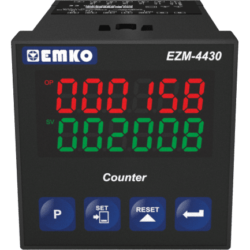
EMKO EZM-4430 Multifunctional preset counter with 2 counting inputs and one relay output
- from 96,09 € plus VAT.
-
excl. VAT
-
-
-
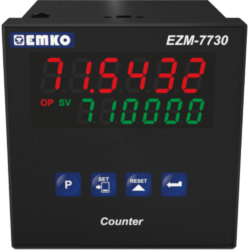
EMKO EZM-7730 Multifunctional preset counter with 2 counting inputs and one relay output
- from 102,22 € plus VAT.
-
excl. VAT
-
-
-
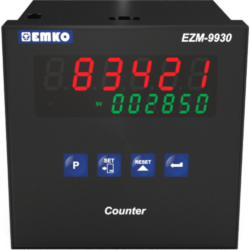
EMKO EZM-9930 Multifunctional preset counter with 2 counting inputs and one relay output
- from 108,36 € plus VAT.
-
excl. VAT
-
-
-
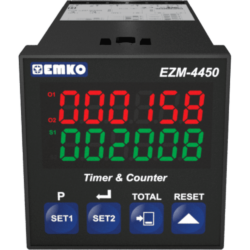
EMKO EZM-4450 Multifunctional preset counter, timer and tachometer with 2 counting inputs and 2 slots for output modules
- from 101,20 € plus VAT.
-
excl. VAT
-
-
-
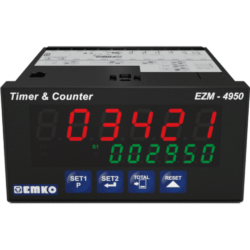
EMKO EZM-4950 Multifunctional preset counter, timer and tachometer with 2 counting inputs and 2 slots for output modules
- from 123,18 € plus VAT.
-
excl. VAT
-
-
-
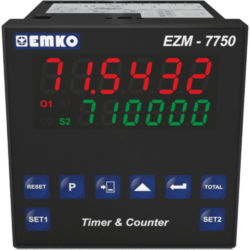
EMKO EZM-7750 Multifunctional preset counter, timer and tachometer with 2 counting inputs and 2 slots for output modules
- from 112,96 € plus VAT.
-
excl. VAT
-
-
-
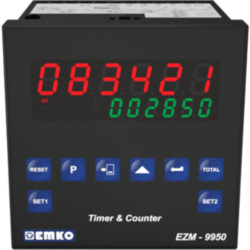
EMKO EZM-9950 Multifunctional preset counter, timer and tachometer with 2 counting inputs and 2 slots for output modules
- from 125,22 € plus VAT.
-
excl. VAT
-
-
-
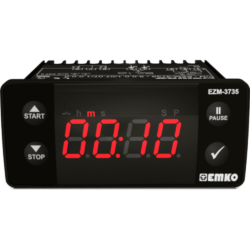
EMKO EZM-3735 Timer for hours, minutes, seconds with one relay output
- from 62,87 € plus VAT.
-
excl. VAT
-
-

-
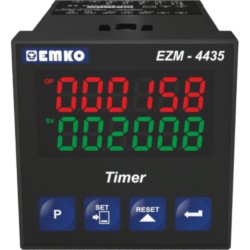
EMKO EZM-4435 timer for hours, minutes, seconds with manual or automatic reset and one relay output
- from 90,47 € plus VAT.
-
excl. VAT
-
-
-
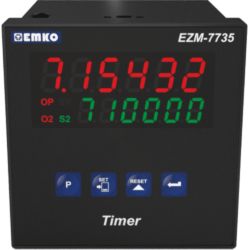
EMKO EZM-7735 timer for hours, minutes, seconds with manual or automatic reset and one relay output
- from 97,11 € plus VAT.
-
excl. VAT
-
-
-
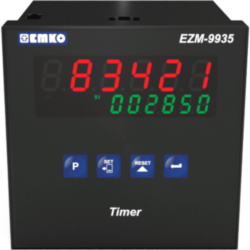
EMKO EZM-9935 timer for hours, minutes, seconds with manual or automatic reset and one relay output
- from 102,22 € plus VAT.
-
excl. VAT
-
-
-
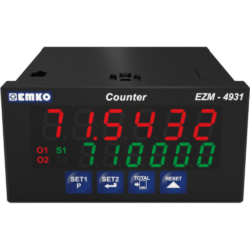
EMKO EZM-4931 Preset counter especially for encoder NPN/PNP with 200 kHz input
- from 154,19 € plus VAT.
-
excl. VAT
-
-
-
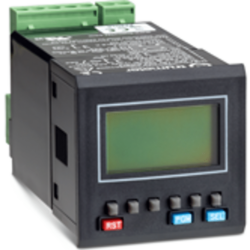
TRUMETER 7932 Preset counter and timer with one relay output
- 216,33 € plus VAT.
-
excl. VAT
-
-
-
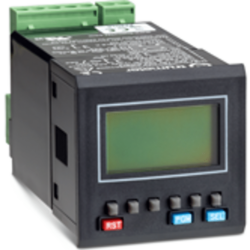
TRUMETER 7922 Preset counter with 2 relay outputs
- 239,76 € plus VAT.
-
excl. VAT
-